Key Topics in Europe.
Working on highly relevant issues.
Across Europe, landscapes are at the heart of some of the most pressing challenges and opportunities of our time.
IFLA Europe champions the role of landscape architects in addressing these interconnected issues through research, education, policy advocacy, and professional practice. By promoting Nature-based Solutions, resilient landscape planning, sustainable urban development, and high-quality living environments, we work to ensure that Europe’s landscapes continue to support ecological health, social well-being, economic prosperity, and a sustainable future for generations to come.
Biodiversity
We are actively involved in all stages of landscape development, from conception and planning to implementation, management, and maintenance. Our unique expertise lies in our ability to integrate aesthetic and scientific principles to create functional, sustainable, and attractive landscapes for both people and nature. We possess technical, analytical, social, and biological skill-sets that enable us to address challenges related to biodiversity, promote NbS, restore degraded ecosystems, and create vital ecological connections. As ‘constructors’ and ‘stewards’ of the landscape, we create spaces for natural populations, ensuring the thriving of native species.

Climate Resilience
Landscape architects play a vital role in building climate resilience by shaping outdoor environments that can adapt to a changing climate while enhancing quality of life. By working with natural systems, they design landscapes that protect communities from climate risks such as flooding, drought, and extreme heat. From climate-adaptive parks and resilient waterfronts to green infrastructure in cities and regions, landscape architects translate complex climate challenges into practical, long-term solutions that are sustainable, inclusive, and rooted in place.
Agriculture & Rural
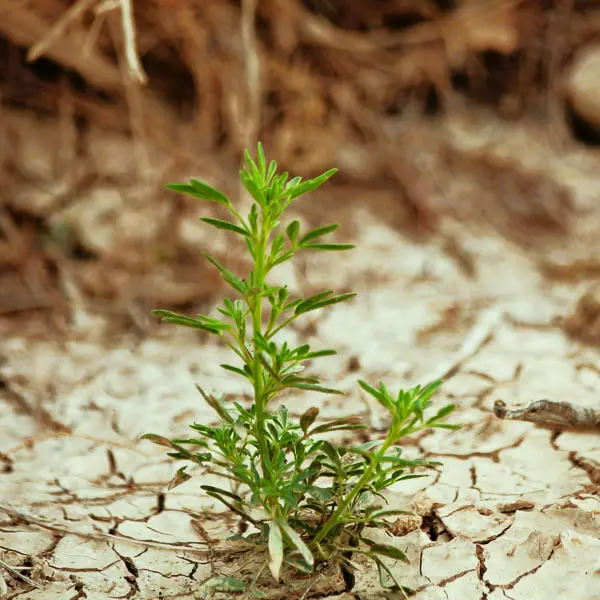
While landscape architects are often primarily associated with urban development, our work also plays a crucial role in shaping resilient and sustainable rural and agricultural landscapes. Through our holistic vision, we bring systems thinking to land use, combining ecological knowledge with spatial planning. We adopt a landscape approach that connects healthy food with healthy landscapes, with community-driven processes replicated on a large-scale. Our work includes aligning farming with biodiversity and climate goals, therefore delivering multifunctional outcomes We design and manage these landscapes to balance ecological health, agricultural productivity, and cultural heritage. We help local communities, farmers and institutions to recognize when agricultural landscapes constitute potential GIAHS sites. Moreover, by developing international policy, as well as land management, and community needs, we help make agricultural landscapes multifunctional and future-ready.
Healthy Cities
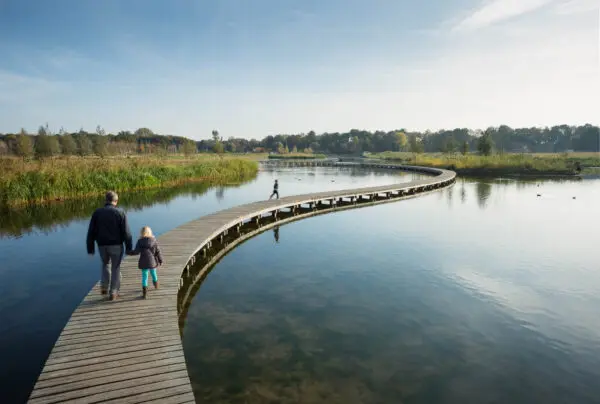
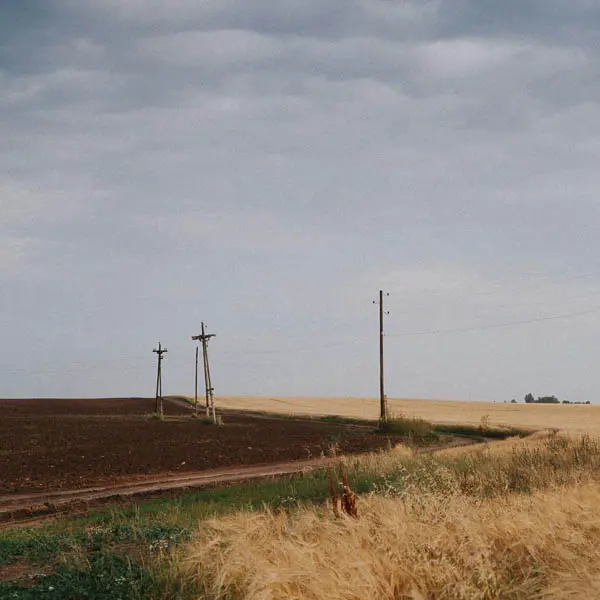
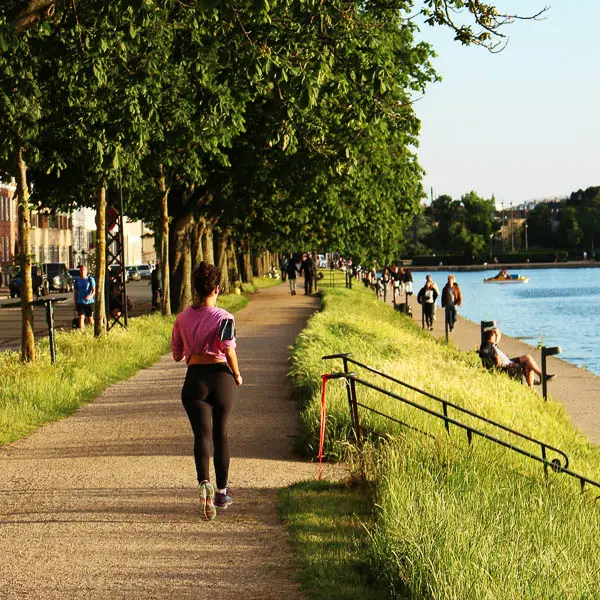
Landscape architects play a vital role in addressing today’s health challenges by designing and managing resilient, nature-based environments. Through our work, we create healthier urban and rural landscapes that improve well-being, support climate adaptation, and enhance biodiversity. Therapeutic and healing landscapes, especially in medical facilities, spas, or retirement homes, further demonstrate how design can directly support mental and physical health. By protecting and restoring ecosystems and integrating development with natural processes, we strengthen public health, community resilience, and climate readiness. Attractive, high-quality spaces motivate people to leave their homes, interact with others, and engage in healthier lifestyles. The multiple benefits of landscapes, ranging from water purification and food production to recreation and cultural value, show why they are essential for sustainable and prosperous societies. Importantly, investing in green, health-supportive landscapes also reduces healthcare costs, aligning with the WHO’s broad understanding of health as more than the absence of disease.
Energy Transition
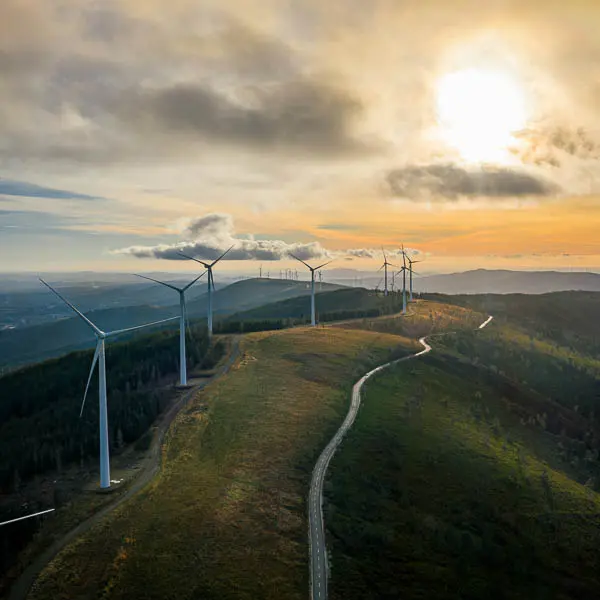
Landscape architects contribute significantly to the energy transition by integrating renewable energy solutions into landscapes in ways that are functional, spatially efficient, and socially accepted. They design environments where energy infrastructure—such as solar fields, wind landscapes, heat networks, large transformer buildings, and high‑voltage power lines—is carefully embedded alongside nature, agriculture, and living spaces. By shaping these large-scale technical elements with attention to landscape character, visibility, ecology, and human experience, landscape architects help reduce spatial impact and increase public acceptance. In doing so, they ensure that the shift to sustainable energy not only reduces carbon emissions, but also strengthens landscapes, supports biodiversity, and creates places people can identify with and support.